

42 inch bathroom mirror
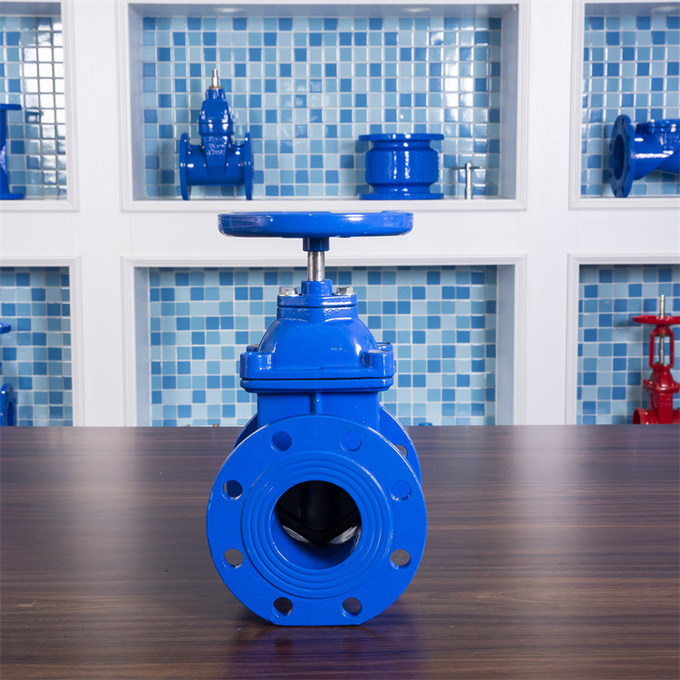
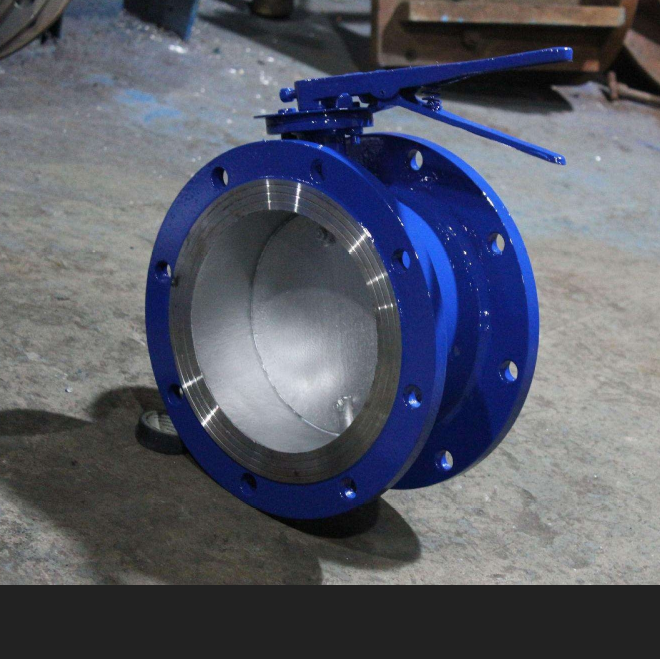
Understanding Butterfly Valves A Deep Dive into the 300 Series Butterfly valves are an essential component in various industrial applications, known for their simplicity, efficiency, and lightweight design. Among the different types available, the 300 series butterfly valve stands out for its robust performance and versatility in various environments. A butterfly valve consists of a disc that rotates around a central shaft, controlling the flow of fluid through a pipe. The design is credited with being both space-saving and economical, making it an ideal choice for applications where installation space is limited or where cost-effectiveness is paramount. The 300 series, in particular, is designed to provide exceptional sealing capabilities, impressive durability, and ease of operation. Understanding Butterfly Valves A Deep Dive into the 300 Series Moreover, the 300 series valves are designed for both manual and automated operation. They can easily be integrated with actuators, allowing for remote and precise control of fluid flow. This automation aspect enhances efficiency and safety, especially in processes that require regular monitoring and adjustments. butterfly valve 300 In terms of maintenance, the 300 series butterfly valves are relatively low-maintenance compared to other valve types. Their design minimizes the number of moving parts, reducing the likelihood of mechanical failure and lowering maintenance costs. Regular inspection and occasional lubrication of the shaft can keep the valve operating smoothly without the need for extensive service. The versatility of the 300 series butterfly valve also extends to its application range. These valves can be used in various industries, including HVAC systems, marine applications, and even in the oil and gas sector. Their ability to handle both high and low-pressure conditions further broadens their applicability, making them a favored choice among engineers and operators. As industries face increasing demands for efficiency and reliability, the popularity of butterfly valves, especially the 300 series, continues to grow. With advancements in materials and manufacturing processes, these valves are becoming even more efficient. Innovations in design allow for improved flow characteristics and the integration of smart technology, enabling predictive maintenance and enhanced performance metrics. In conclusion, the butterfly valve 300 series is an exemplary model of modern engineering, offering efficiency, durability, and versatility across a multitude of applications. As industries evolve, the continued development of butterfly valves will play a critical role in ensuring seamless fluid control and operational efficiency, solidifying their position in the market for years to come.
about
42 inch bathroom mirror
Understanding Thread Ring Gauge Standards Thread ring gauges are precision instruments utilized in manufacturing and quality control to measure the external dimensions of threaded components. They serve as indispensable tools for ensuring that threaded parts fit together correctly, which is crucial for various industrial applications. The significance of standardizing thread ring gauges lies in their ability to ensure compatibility and functionality among threaded components across different manufacturing processes. Definition and Function A thread ring gauge is a cylindrical tool featuring internal threads that conform to the specifications of a given standard thread profile. These gauges are categorized primarily into two types go gauges and no-go gauges. The go gauge checks whether a threaded part is within acceptable limits, while the no-go gauge ensures that it does not exceed maximum size tolerances. The effective use of these gauges guarantees that manufactured threads will engage adequately and resist failure during use. Importance of Standards The manufacturing of threaded components often takes place in diverse environments, utilizing varying equipment and materials. As a result, discrepancies in thread dimensions can occur, leading to compatibility issues. Hence, international standards are crucial in providing uniformity. Organizations such as the American National Standards Institute (ANSI), the International Organization for Standardization (ISO), and the German Institute for Standardization (DIN) develop and publish standards that specify thread dimensions, tolerances, and gauge specifications. These standards ensure that manufacturers adhere to consistent norms, thereby increasing the reliability of threaded joints. Thread Gauge Specifications The standards for thread ring gauges typically specify the following parameters thread ring gauge standard 1. Thread Profile This includes the shape and dimensions of the thread, which can vary, such as Unified National Thread (UN), metric threads, or British Standard Whitworth (BSW). Each profile has unique specifications governing its geometry. 2. Tolerances Tolerances dictate how much deviation from the nominal thread dimensions is permissible. These standards are critical for determining the 'fit' between engaging parts, influencing how tightly or loosely they will assemble. 3. Material and Treatment The materials used for gauges, such as tool steel or carbide, along with any necessary heat treatment processes, are specified to ensure durability and precision in measurements. 4. Calibration and Certification Regular calibration against master gauges is necessary to maintain accuracy over time. Certification from recognized standards organizations assures users that the gauges meet prescribed tolerances. Application Across Industries Thread ring gauges find applications across various sectors, including automotive, aerospace, and manufacturing. In these industries, the integrity of threaded connections is paramount for safety and performance. For instance, in the aerospace sector, any failure in threaded joints can have catastrophic consequences. As such, stringent adherence to thread ring gauge standards helps mitigate risks associated with these essential components. Conclusion In summary, thread ring gauge standards play a pivotal role in the manufacturing and quality assurance processes of threaded components. By adhering to internationally recognized specifications, manufacturers can ensure that their products meet necessary safety and functionality criteria. The standardized approach not only promotes interoperability between components but also enhances the overall reliability and performance of assembled products in critical applications. As industries continue to evolve, the importance of these gauges will only grow, underpinning the need for precision in an increasingly interconnected world.
-

High quality industrial productsagement

High quality industrial products
View Details -

Meet the diverse needs of customers

Meet the diverse needs of customers
View Details -

Strict quality control

Strict quality control
View Details -

Top raw materials

Top raw materials
View Details -

Trusted supplier

Trusted supplier
View Details
Our application


news and information
ventil üçün yeni yanaşmalar və innovativ həllər axtarışı
Ağzı Xaraq İki Yoldaş Arasındakı Əhəmiyyətli Rol Ağzı xaraq, müasir sənaye və mühəndislikdə kritik b
Valvola di ritegno al 6% per applicazioni industriali e resistenza ottimale
Valvole di Controllo al 6% Importanza e ApplicazioniLe valvole di controllo sono elementi fondamenta
Valves Available for Purchase Now at Competitive Prices
Exploring the Market for Valves for Sale A Comprehensive Guide In industrial applications across var
 English